
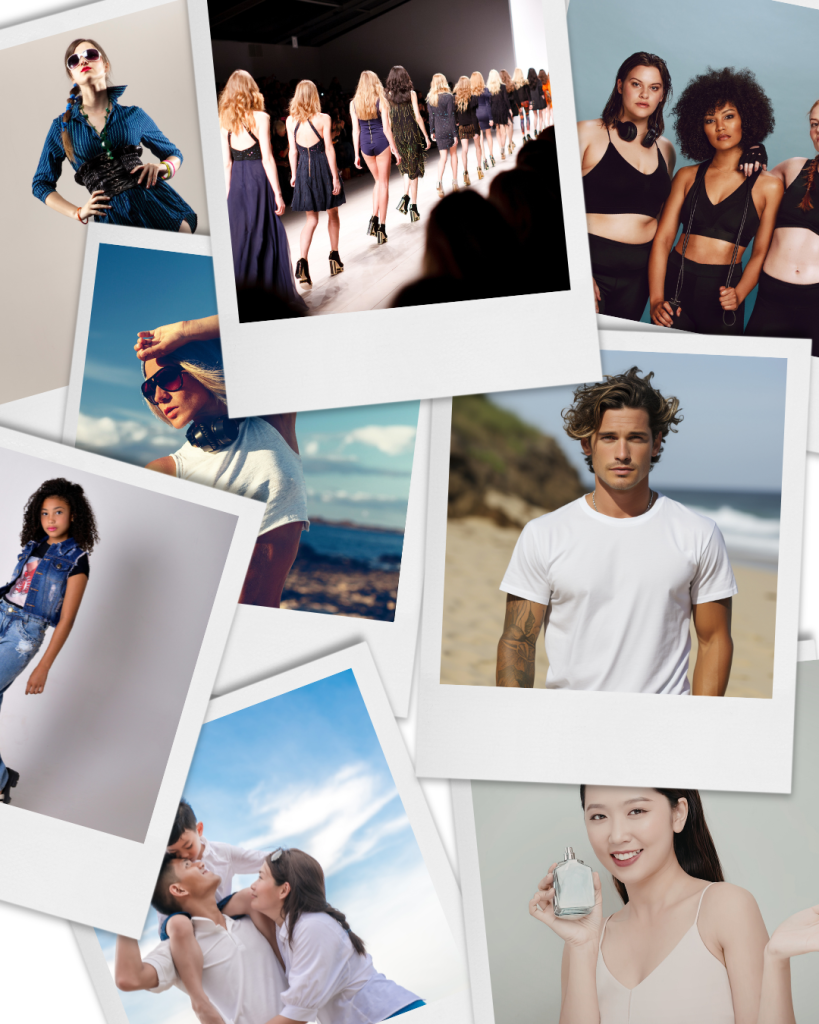
When many people think of modeling, they picture high-fashion runways, designer clothing, and magazine covers. While those opportunities certainly exist, the modeling industry is much broader than most people realize. Models can work in a variety of specialties, each requiring different skills, looks, and personalities.
Whether you’re just getting started or exploring opportunities within the industry, understanding the different career paths available can help you discover where your strengths shine best.
Fashion Modeling
Fashion modeling is often the most recognizable type of modeling. These models showcase clothing and accessories for designers, brands, and fashion publications. Fashion models may work on runways, editorial photoshoots, lookbooks, and fashion campaigns.
Fashion modeling often emphasizes posing skills, movement, and the ability to bring a designer’s vision to life. While runway modeling receives a lot of attention, many fashion models spend much of their time working on photo shoots rather than walking in shows.
Commercial Modeling
Commercial modeling is one of the most versatile and accessible areas of the industry. Commercial models appear in advertisements for products, services, websites, catalogs, social media campaigns, and more.
Unlike fashion modeling, commercial modeling focuses on representing everyday people and lifestyles. Brands are often looking for relatable faces that connect with their target audience.
Commercial models may promote everything from clothing and beauty products to technology, travel destinations, healthcare services, and family-focused brands.
Print Modeling
Print modeling involves appearing in magazines, brochures, catalogs, billboards, and other printed materials. These models help tell a story through still photography and often work closely with photographers, stylists, and creative teams.
Strong facial expressions, posing ability, and comfort in front of the camera are important skills for print models.
Runway Modeling
Runway models showcase clothing collections during fashion shows and industry events. This type of modeling requires confidence, strong posture, and the ability to present garments professionally while walking in front of large audiences.
While runway modeling is often associated with major fashion weeks, opportunities also exist at local fashion shows, charity events, and regional showcases.
Fitness Modeling
Fitness models promote athletic apparel, activewear, wellness brands, and fitness-related products. They often work with gyms, sports companies, nutrition brands, and health-focused campaigns.
In addition to maintaining a healthy lifestyle, fitness models must be able to demonstrate energy, strength, and confidence both on camera and in person.
Lifestyle Modeling
Lifestyle modeling focuses on capturing authentic moments and real-life experiences. These campaigns often feature people interacting with friends, family, workplaces, or recreational activities.
Lifestyle models help brands create content that feels natural and relatable, making this one of the fastest-growing areas of modern marketing.
Promotional and Event Modeling
Promotional models represent brands at events, conventions, trade shows, product launches, and community activations. In this role, communication skills are just as important as appearance.
Promotional models often interact directly with consumers, answer questions, distribute information, and help create memorable brand experiences.
Acting and Modeling: A Powerful Combination
Many successful models also pursue acting opportunities. Commercials, television, film, and digital content often require talent who can both model and perform on camera.
Learning acting skills can help models become more expressive, adaptable, and confident during auditions and bookings. Likewise, modeling experience can help actors become more comfortable in front of the camera.
Finding the Right Path for You
The truth is that there is no single “correct” modeling career path. Many professionals work across multiple categories throughout their careers. A model may begin in commercial modeling, explore print campaigns, participate in runway shows, and eventually pursue acting or content creation.
The most important step is developing confidence, professionalism, communication skills, and a strong work ethic. As you gain experience, you’ll discover which areas of the industry best match your personality, interests, and goals.
The modeling world offers more opportunities than ever before. By keeping an open mind and continuing to build your skills, you can explore the many paths available and find the one that’s right for you.


